


July 9, 2026
Curaçao’s participation in the 2026 World Cup brought the island not only into the sports agenda but also into travel searches. So, where is Curaçao, how can you get there, and is it a good destination for a holiday?
Where is Curaçao located?
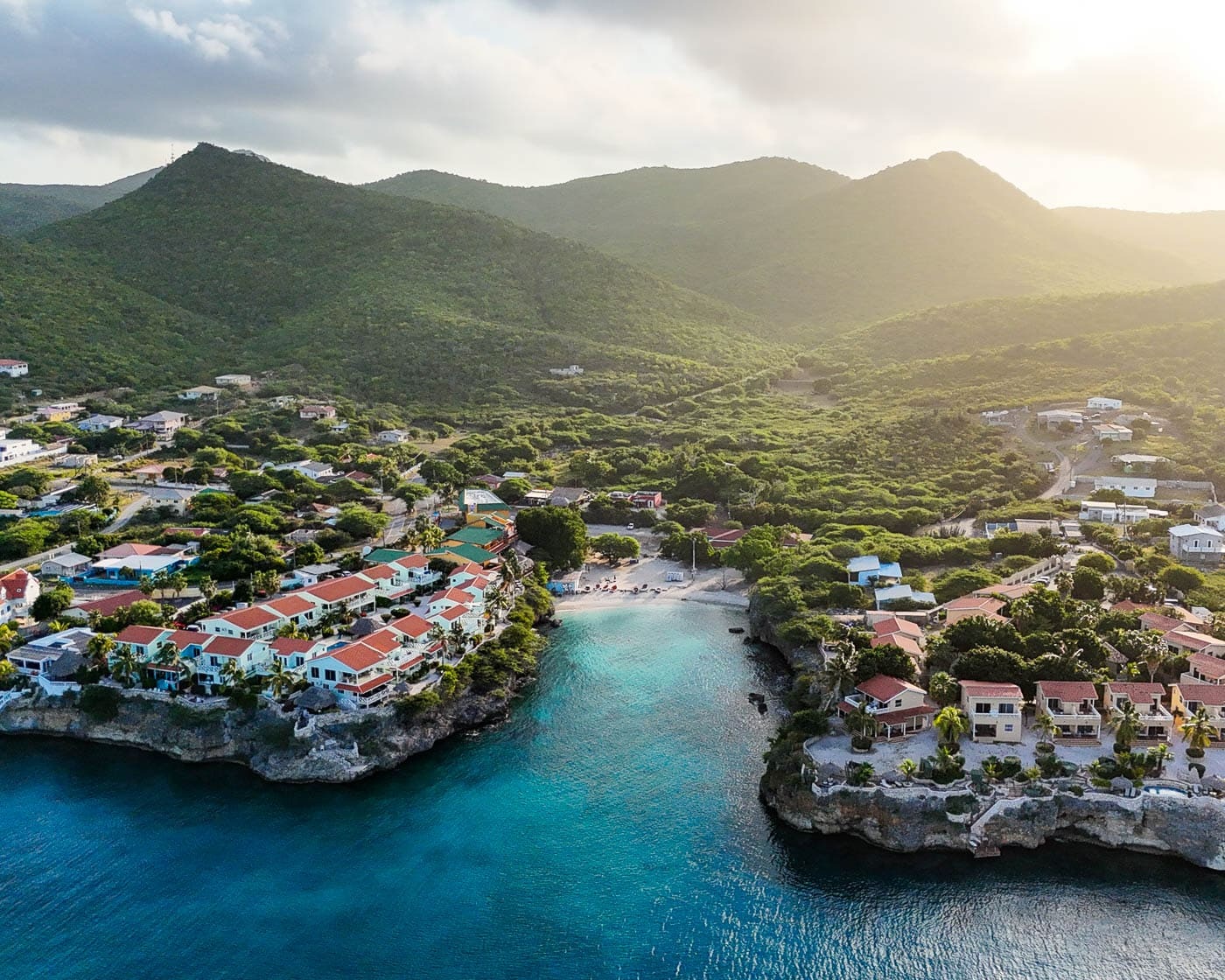
Curaçao is an island country in the southern Caribbean, located close to the coast of Venezuela. An autonomous country within the Kingdom of the Netherlands, Curaçao is part of the ABC islands together with Aruba and Bonaire. Its capital is Willemstad, and the island is the largest of the three in terms of both area and population. Curaçao covers around 444 square kilometers and has a population of nearly 156,000.
A different option from the classic Caribbean holiday
What makes Curaçao stand out is not only its sea. The island offers a different kind of holiday experience with its architecture shaped by European and Caribbean influences, multilingual structure, historic neighborhoods and local life.
A trip here is not limited to spending time on the beach. Walking through colorful streets, visiting local markets, exploring museums, seeing old plantation houses and discovering the island’s food culture are among the important parts of a Curaçao itinerary.
Willemstad is the starting point of the trip
The first stop for most visitors to Curaçao is usually the capital, Willemstad. The historic center, which is on the UNESCO World Heritage List, is the island’s most recognizable face with its colorful buildings and lively harbor area.
The Punda district offers the classic Curaçao view that many visitors first encounter. Narrow streets, squares and colorful buildings along the waterfront stand out in this area.
Otrobanda, on the other hand, attracts those looking for a more local atmosphere. Street art, neighborhood texture and the historic environment are felt more clearly in this part of the city.
In Case You Missed It


Queen Emma Bridge, which connects Punda and Otrobanda, is also one of the best-known stops on a Willemstad visit.
An island with 37 beaches
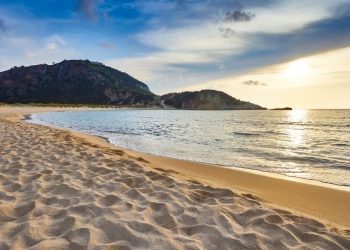
Curaçao is also a strong destination when it comes to beaches. The island has a total of 37 beaches. Its southern coast is especially known for calm bays and waters suitable for swimming.
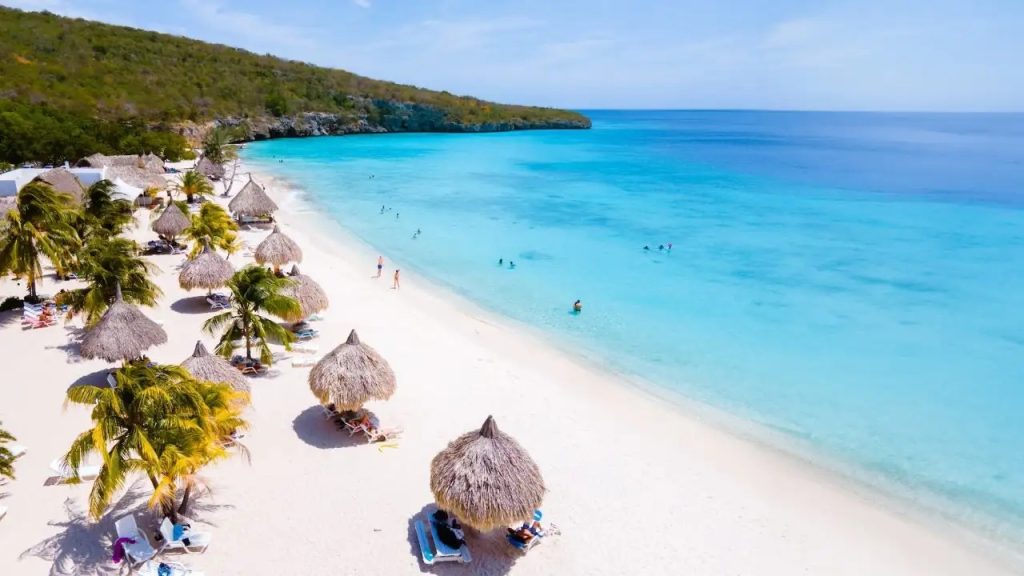
Grote Knip, Kleine Knip, Blue Bay, Mambo Beach, Playa Porto Marie, Playa Lagun and Cas Abao are among the beach spots visitors can consider in Curaçao. Klein Curaçao is another notable option for those looking for an atmosphere different from the main island.
Diving and snorkeling attract visitors
Curaçao also draws interest with its underwater world. Coral reefs close to the island’s shores offer an important advantage for those who want to dive or snorkel. In many spots, it is possible to reach marine life without getting on a boat, making the island attractive for this kind of experience. Calm bays, clear water and reefs close to shore make Curaçao stand out not only as a beach destination but also as a place for underwater exploration.
Strong stops for history and culture
There are several options in and around the capital for those who want to see Curaçao’s cultural side. The Curaçao Museum stands out for visitors who want to learn about the island’s history and art. The Kura Hulanda Museum is known as a heavier but meaningful stop connected to the island’s past, the African diaspora and the history of slavery.
The old plantation houses on the island, known as landhuizen, also offer a different route for those who want to understand Curaçao’s historical development.
Local cuisine is a way to discover the island
Food culture is one of the important parts of traveling in Curaçao. The island’s cuisine brings together African, Latin American, European and Caribbean influences. Seafood, different types of fish and local dishes are among the flavors visitors can try in Curaçao.
Plasa Bieu in Willemstad is known as one of the places to visit for those who want a more local dining experience.
Curaçao liqueur, associated with the island, is also among its well-known products and is made from the peel of the laraha fruit.
Which languages are spoken in Curaçao?
Curaçao’s multicultural structure is also reflected in its languages. Papiamentu is the most widely spoken language on the island. Dutch, English and Spanish are also used in daily life. This multilingual structure makes communication easier on the island, especially for foreign visitors.
Dry landscapes and rugged coasts on the nature route
Curaçao has a nature that is somewhat different from the lush green image usually associated with tropical islands. The island stands out with its dry and hilly structure. Inland areas feature cacti, hills and vegetation shaped by the wind. Christoffelpark is one of the notable places for those who want to discover Curaçao’s natural side. Shete Boka, with its waves, cliffs and rugged sea views on the northern coast, shows a different character of the island.
How should first-time visitors plan their trip?
For first-time visitors to Curaçao, starting the trip around Willemstad can be a practical option. A route that begins with Punda, Otrobanda and Queen Emma Bridge offers a strong introduction to the island’s architecture and city life.
In the following days, beaches, snorkeling spots, museums, Christoffelpark, Shete Boka and historic landhuizen can be added to the travel plan. For those staying longer, Klein Curaçao can also be considered as a separate day trip.



 subscribers.