


July 8, 2026
Cape Verde may have left the World Cup, but it left behind one of the tournament’s most memorable stories. The island nation twice came from behind against defending champion Argentina, while the carnival-like welcome in Praia turned the team’s journey into a moment of national pride.
The Blue Sharks returned home as heroes
Cape Verde’s national team was welcomed by tens of thousands of fans in the capital, Praia, after its World Cup run.
Drums echoed, flags waved and supporters danced at the airport as the players returned home. Fans repeatedly chanted the names of goalkeeper Vozinha and defender Pico Lopes, two of the team’s standout figures.
The celebrations also carried extra meaning as the homecoming coincided with the 51st anniversary of the country’s independence from Portuguese colonial rule.
They refused to surrender against Argentina
Cape Verde attracted attention with its football during its first-ever World Cup appearance.
The island nation drew 0-0 with Spain in its opening group match, then held Uruguay to a 2-2 draw. Its final group match against Saudi Arabia also ended 0-0.
After advancing from a difficult group with three points, Cape Verde faced Argentina in the round of 32. The team fell behind to a Lionel Messi goal but equalized and took the match to extra time. Even after conceding again, Cape Verde responded once more through Sidny Lopes Cabral.
Argentina eventually advanced after Cristian Romero’s header deflected off Diney Borges, but Cape Verde left the pitch as one of the most respected teams of the tournament.
Bubista: We made history for our country
Head coach Pedro Leitão Brito, known as Bubista, said he was proud of his players after the match.
Bubista stressed that although Cape Verde is a small country, the team showed it could compete against the best sides in the world. He said the match was not only about football, but also about showing the country’s identity to the world.
Most of Cape Verde’s squad is made up of players from the country’s diaspora. Many play in different leagues across Europe, but their unity and determination made the team’s story even more powerful.
Where is Cape Verde?
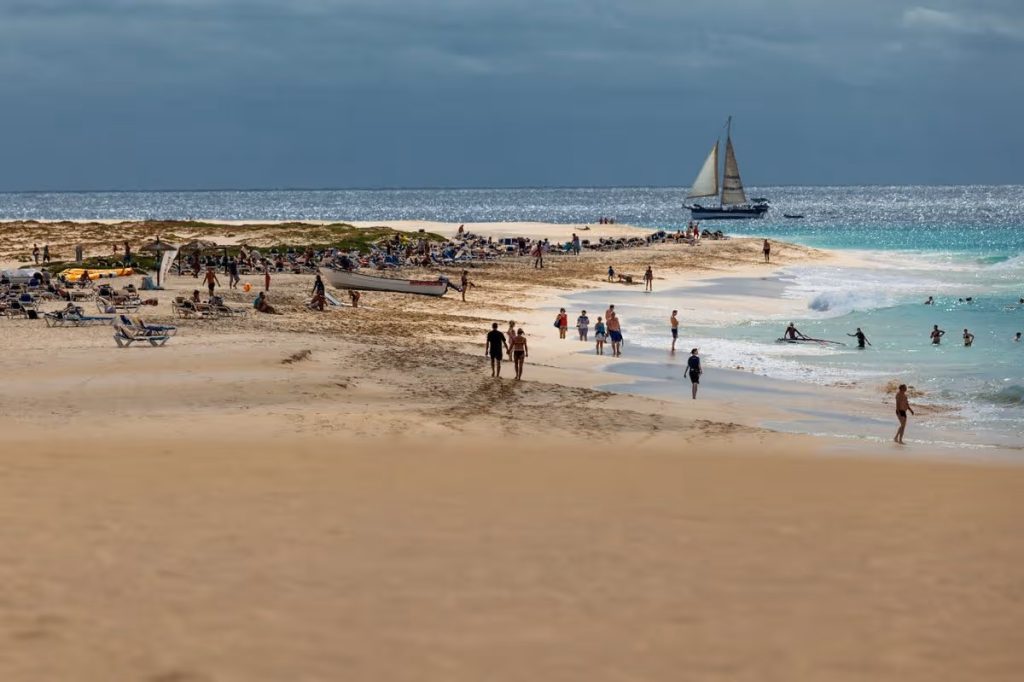
Cape Verde is an island country in the Atlantic Ocean. Located off the coast of Africa, the volcanic archipelago is made up of nine islands.
The capital is Praia, the same city where the national team received its emotional World Cup welcome.
The country has become increasingly attractive for travelers looking for a quieter, different and more discovery-focused destination beyond mass tourism.
When is the best time to visit Cape Verde?
Cape Verde is a strong option for travelers looking for sunshine throughout the year.
In Case You Missed It




The period from November to March is one of the most popular times for a beach holiday, thanks to warm and dry weather. These months are especially appealing for those seeking winter sun.
For hiking, January, February and March are good choices. The weather is dry, sunny and more comfortable for walking routes.
Those hoping to see sea turtles can visit between July and October. August is considered one of the peak months for turtle activity.
For windsurfing, sailing and kitesurfing, the period between April and November stands out.
Sal, Boa Vista and Maio: the calmer face of beach life
Sal is one of the first islands that comes to mind when Cape Verde is mentioned. With golden beaches, resorts, water sports and a lively atmosphere, it is especially popular with travelers looking for a seaside holiday.
Boa Vista offers similar beach scenery but has a quieter feel than Sal. Smaller guesthouses, peaceful shores and a slower island rhythm make it stand out.
Maio is an even more secluded option for those who want to walk along white-sand beaches away from crowds.
The country behind the Viking Row: Norway turns football fame into travel curiosity
Music, streets and culture in Mindelo
Mindelo, on the island of São Vicente, is known as one of Cape Verde’s liveliest cultural centers.
In this port city, music, street life and island rhythm are natural parts of daily life. Colorful streets, local markets, fishing towns and the seaside atmosphere show that Cape Verde is much more than a beach destination.
The country is also known for the calm, warm and friendly attitude of its people. This relaxed island spirit is one of the details visitors remember most.
Santo Antão and Santiago stand out for hiking
Travelers who want to see Cape Verde’s greener and more rural side often head to Santo Antão and Santiago.
Santo Antão is known for fertile valleys, mountain trails and walking routes. Santiago, meanwhile, offers both local life and nature routes, while also being home to the capital, Praia.
São Nicolau is another alternative for those looking for quieter hiking routes.
Lava fields and black-sand beaches in Fogo
Fogo is one of the islands where Cape Verde’s volcanic character is most visible.
The towering Fogo Volcano can be seen from many parts of the island. Lava fields, volcanic cones, rocky coastlines and black-sand beaches give Fogo a completely different look.
Hikes in the Caldeira area allow visitors to see the island’s volcanic landscape up close. For those looking for a tougher experience, guided climbs to the top of Fogo Volcano are also possible.
Brava is the island for silence seekers
Brava is one of the harder islands to reach, but that also makes it special for travelers with a more exploratory spirit.
With fewer tourists, green scenery, walking trails and a slower pace of life, Brava appeals to those looking for a peaceful route away from the crowds.
Island cuisine shaped by fish, fruit and local markets
Seafood has a strong place in Cape Verdean cuisine. In fishing villages, the catch of the day often goes straight to the table, while fresh fish, seafood and local vegetables form the basis of island cooking.
On greener islands, banana and mango trees add a tropical atmosphere. Local markets bring together fruit, seafood and the simple rhythm of daily life.
The food culture is less about luxury dining and more about natural flavors, sharing and island life. Small restaurants, markets and fishing towns are among the best places to discover Cape Verde’s culinary world.
More impressive than the photos suggest
Cape Verde is often described as a place that looks better in person than in photographs. Some islands may seem dry and rocky at first glance, but the landscapes become far more striking when seen up close.
Santo Antão offers green valleys, Fogo has lava fields, Sal and Boa Vista feature golden beaches, while villages bring color through painted walls and street art.




 subscribers.