Norway’s World Cup run has pushed the country into the spotlight far beyond the football pitch. Erling Haaland and his teammates captured attention with their synchronized “Viking Row” celebration, while the country’s dramatic nature, deep-rooted traditions, food culture and scenic routes have become a fresh source of curiosity for travelers.
Where is Norway?
Norway is located in Northern Europe, on the western and northern part of the Scandinavian Peninsula. The country shares borders with Sweden, Finland and Russia, while its long coastline opens to the North Sea, the Norwegian Sea and the Barents Sea.
Its capital is Oslo, but Norway’s real charm stretches far beyond the city. Fjords, mountains, forests, islands and Arctic landscapes make the country one of Europe’s most striking natural destinations.
The Viking spirit behind the celebration
Norway’s viral “Viking Row” celebration reflects the country’s historic connection with the sea. The synchronized rowing movement performed by fans and players recalls Viking longships, where unity and rhythm were essential.
The celebration has turned into more than a football gesture. It has become a symbol of teamwork, strength and shared identity, helping introduce Norwegian culture to millions around the world.
When is the best time to visit Norway?
The best time to visit Norway depends on what kind of experience travelers are looking for.
June to August is ideal for fjord cruises, hiking, road trips and long summer days under the midnight sun. During this period, southern Norway sees mild temperatures, while the north offers nearly endless daylight.
Those hoping to see the northern lights should visit between October and April. Tromsø, Lofoten and other northern regions are among the most popular places for aurora hunting.
May and September are good options for travelers who want fewer crowds, softer weather and more affordable prices.
A cuisine shaped by the sea
Norwegian food culture is closely tied to the sea. Salmon, cod, herring, shrimp and dried fish are among the country’s best-known flavors.
Norwegian salmon is famous around the world, but the country’s culinary tradition goes much deeper. In northern regions, “tørrfisk,” or dried fish, remains one of the oldest and most distinctive foods. The Lofoten Islands are especially known for this tradition.
“Fiskesuppe,” a creamy fish soup made with vegetables and seafood, is another classic dish. It is especially popular in coastal cities such as Bergen.
Fårikål, brunost and Norwegian breakfasts
One of Norways most traditional dishes is “fårikål,” made with lamb and cabbage. Simple but hearty, it is often regarded as one of the country’s national dishes.
“Kjøttkaker,” Norwegian meat cakes served with potatoes and gravy, is another homestyle favorite.
For many visitors, the most surprising taste is “brunost,” or brown cheese. With its sweet, caramel-like flavor, brunost is commonly eaten with bread or waffles at breakfast.
Norwegian waffles are also part of everyday food culture. Usually heart-shaped, they are served with jam, sour cream or brunost.
Coffee, cinnamon buns and simple living
Coffee has an important place in Norwegian daily life. From modern cafés in Oslo to small-town bakeries, coffee is often paired with pastries, cinnamon buns and quiet moments indoors.
Norwegian food culture is not built on showy dishes. It is shaped by simplicity, seasonality and nature. Fish from the sea, berries from the forest, potatoes, cabbage, dairy products and game meat are among the staples of the local table.
Sami culture in the north
Northern Norway is also home to the Sami people, whose culture is one of the country’s most important identities.
Reindeer herding, traditional clothing, handicrafts and a close relationship with nature are central to Sami life. Travelers visiting the north can experience reindeer-based dishes, local soups and Arctic traditions, especially during winter tours.
Combined with the northern lights, Sami culture gives the region a unique atmosphere.
Where to go in Norway
Oslo is a good starting point for a Norway trip. Visitors can explore Akershus Fortress, the Royal Palace, museums, waterfront districts and modern architecture.
Bergen is one of the country’s most characteristic cities, known for its colorful wooden houses and historic Bryggen district. The city is also considered a gateway to the fjords.
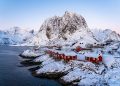
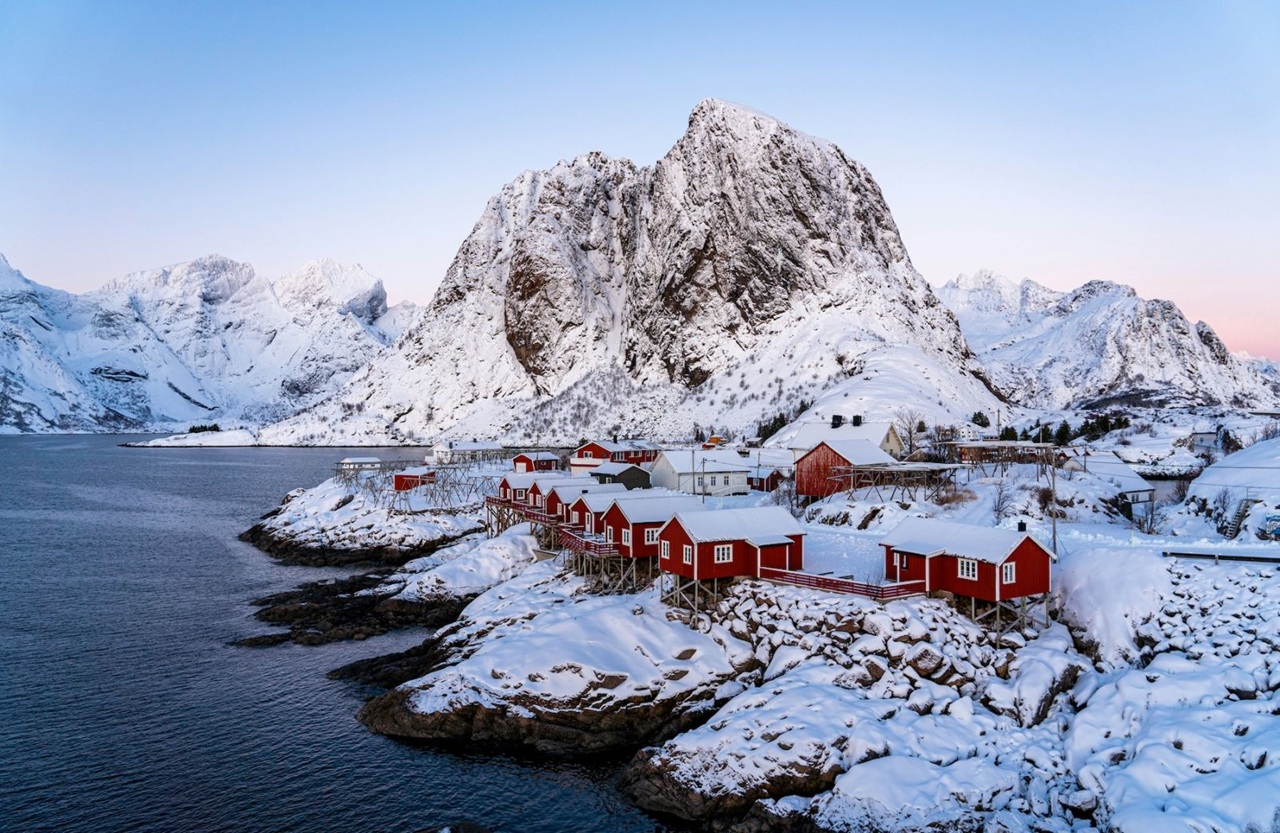
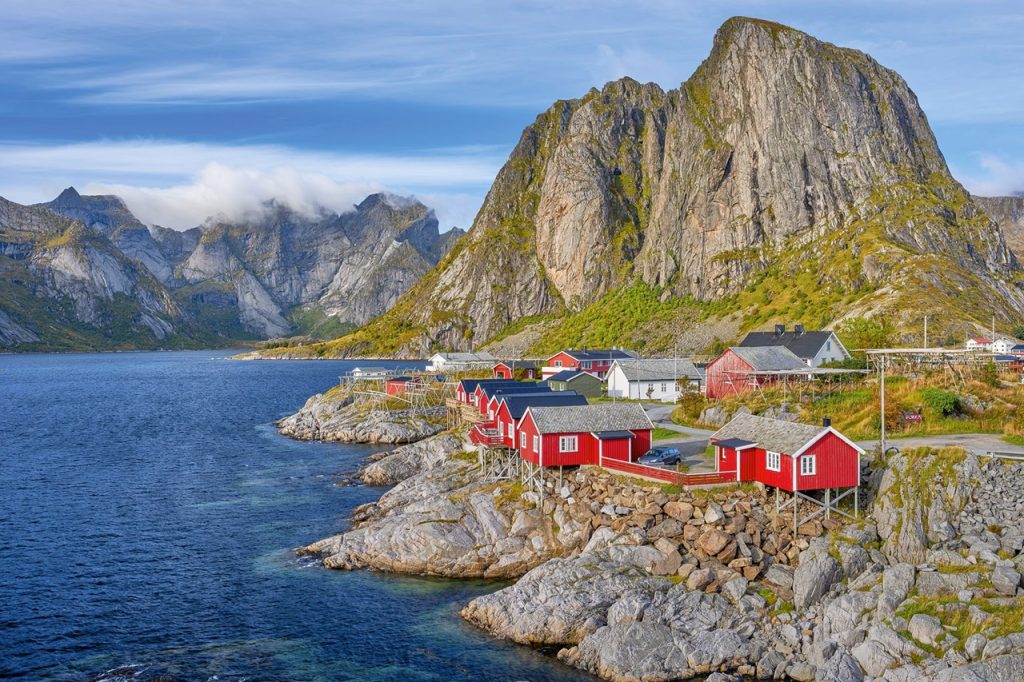
The Lofoten Islands offer some of Norway’s most dramatic scenery, with red fishermen’s cabins, white-sand beaches, mountain peaks and fishing villages.
Stavanger is a strong choice for travelers interested in Viking history and outdoor adventure. It is also close to Preikestolen, also known as Pulpit Rock.
Ålesund stands out with its art nouveau architecture, island setting and access to fjord landscapes.
Fjords are Norway’s greatest treasure
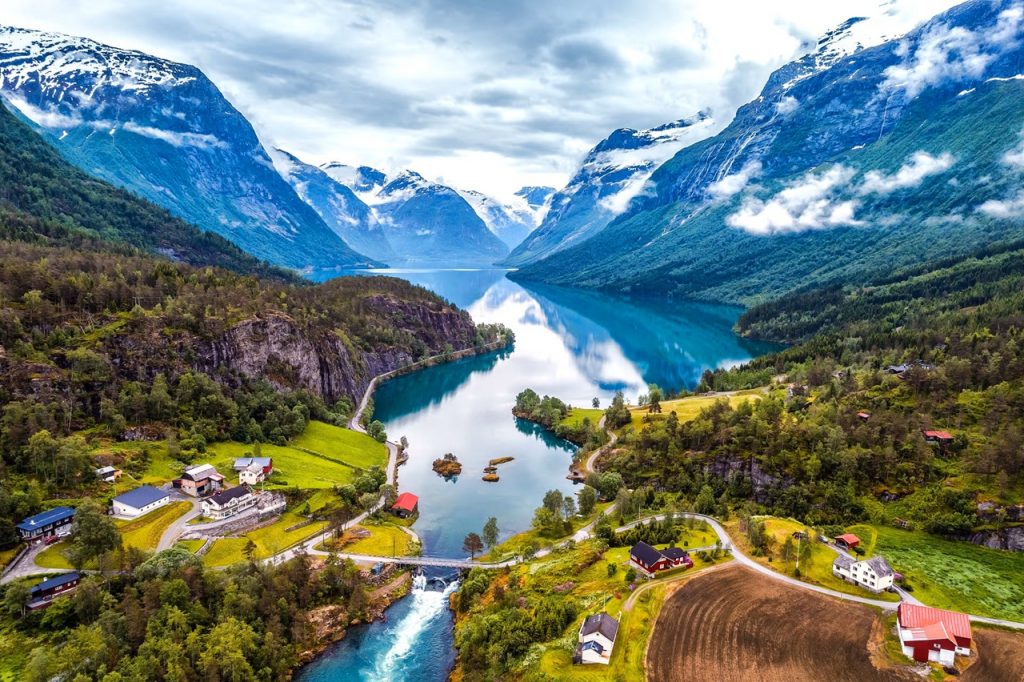
The fjords are Norway’s signature natural wonder. These deep sea inlets, surrounded by steep mountains and waterfalls, create some of the country’s most unforgettable views.
Sognefjord, Nærøyfjord and Aurlandsfjord are among the most famous routes. Travelers can explore them by cruise, ferry, train or hiking trails.
The Flåm Railway is another highlight. Running between Flåm and Myrdal, the journey passes through valleys, mountains and waterfalls, making it one of Norway’s most scenic train rides.
In Case You Missed It



Norway is expensive, but nature is free
Norway is known as an expensive destination. Restaurants, hotels and transport can be costly, especially in peak season.
Still, many of the country’s greatest experiences are outdoors and free. Hiking, cycling, camping, walking along fjords and exploring viewpoints do not require a large budget.
Travelers looking to save money can choose campsites, cabins, supermarkets and off-season travel.
What to pack for Norway
Even in summer, Norway’s weather can change quickly. A waterproof jacket, hiking shoes, layered clothing, warm fleece, sunglasses and comfortable walking shoes should be in every suitcase.
Those traveling north in summer may also need an eye mask, as the midnight sun can keep the sky bright for much of the night. In winter, thermal clothing, gloves, hats and snow boots are essential.
From northern lights to the Viking Row
Norway has long been known for its fjords, northern lights, peaceful cities and outdoor lifestyle. But the 2026 World Cup has given the country a new global image.
With Haaland’s goals, Norway’s historic win over Brazil and the viral “Viking Row” celebration, the Nordic country is now being discovered by a wider audience.
For travelers, Norway offers more than a football story. It is a place of ancient traditions, powerful landscapes, distinctive food and a culture shaped by the sea.



 subscribers.