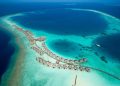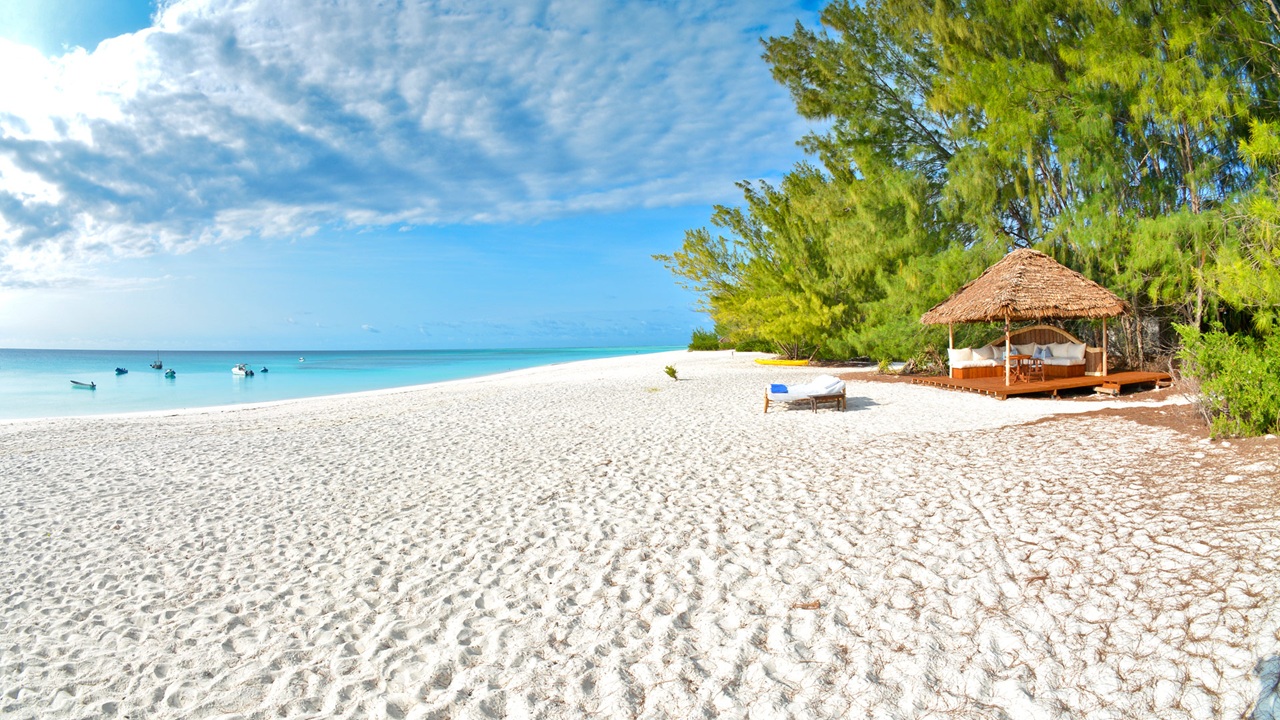
At first glance, Zanzibar looks like the kind of place that belongs entirely to daydreams. The name alone brings to mind powder-soft beaches, palm shadows on white sand, traditional dhows drifting into the sunset and the warm blue shimmer of the Indian Ocean stretching far beyond the shore. Yet the true power of Zanzibar lies in the fact that it never stops at beauty alone. This is not a destination built only on scenery, but on atmosphere, memory, heritage and rhythm. Just off the Tanzanian coast, the archipelago carries the imprint of centuries of movement and exchange. Arabs, Persians, Indians, Africans, Europeans and even traces of Chinese influence have all helped shape the islands’ identity, leaving behind a fascinating cultural inheritance still visible in architecture, cuisine, crafts, language and everyday life. The Zanzibar of today feels deeply Swahili, yet unlike anywhere else in East Africa. One moment you are wandering through Stone Town’s narrow passageways beneath carved wooden balconies and weathered coral-stone walls, and the next you are snorkeling above brilliant reefs, following the scent of cloves through a spice farm, or walking through Jozani Forest in search of the island’s rare red colobus monkeys. That is what makes Zanzibar so compelling. It delivers the ease of a beach holiday, but carries the depth of a destination that reveals something new at every turn.
A beach destination that never feels one-dimensional
Many travelers arrive in Zanzibar expecting little more than sea, sun and rest. They leave with something far richer. The archipelago has the easy glamour of a classic tropical island, but it also holds cultural weight, ecological richness and a lived-in character that keeps it from feeling polished into sameness. This is a place where the beach is only the beginning.
Its identity has been shaped by trade winds, seafaring routes, empire, migration and centuries of exchange. That long history still lingers in the details. It is there in the fabrics sold in local shops, in the hand-carved jewelry and wooden artifacts, in the rich Swahili-Arab flavors of the cuisine, in the doors of Stone Town, and in the island’s long association with cloves, cinnamon and other spices that earned it the name Spice Island. Zanzibar does not merely invite visitors to look at it. It draws them into its textures, scents and sounds.
Stone Town is where the island’s memory lives
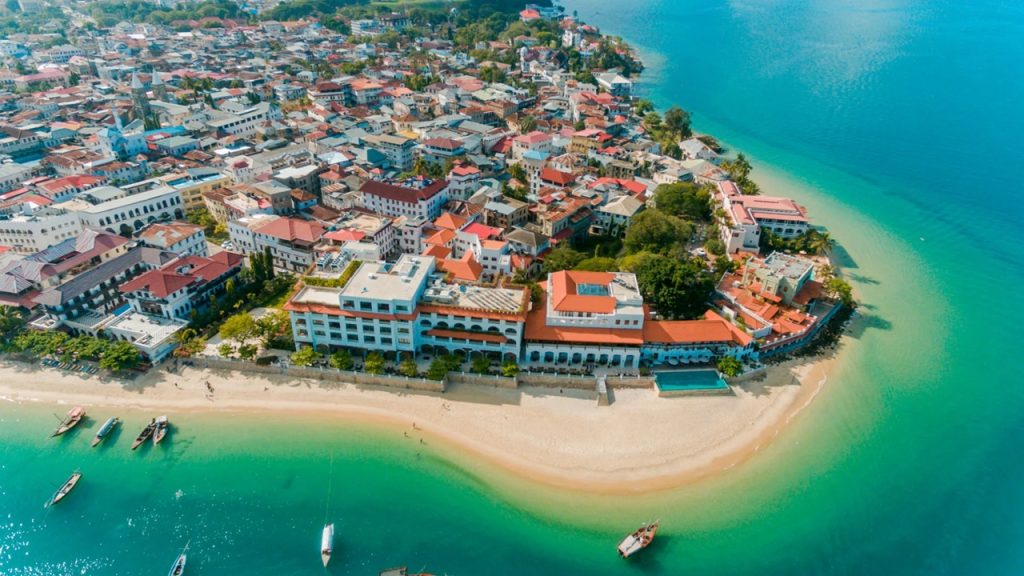
The cultural heart of Zanzibar beats strongest in Stone Town, the historic core of Zanzibar City and one of the archipelago’s most compelling experiences. Recognized as a UNESCO World Heritage Site, this old quarter feels like a place suspended between eras. Its streets are narrow, twisting and shadowed, opening suddenly onto small squares, market fronts, mosques, churches and old civic buildings that speak to the island’s layered past.
In Case You Missed It



Stone Town is not beautiful in a polished, staged way. Its charm comes from its age, its wear and its density of detail. Coral-rag houses stand shoulder to shoulder, their plaster peeling, their surfaces softened by time. Ornate wooden doors, many framed with intricate carvings or brass studs, remain among the city’s most iconic features. These entrances are more than decoration. They reflect status, history, craftsmanship and the fusion of cultures that passed through the island over generations.
Walking through Stone Town means passing reminders of nearly every phase of Zanzibar’s past. Anglican and Catholic churches point to colonial eras, while mosques, Omani palaces, the Old Fort, old cannons and ceremonial buildings recall the island’s years as a center of sultanate power and maritime trade. The House of Wonders and the old Turkish baths add yet another layer to the city’s architectural story. Then there is the darker history that cannot be ignored. Zanzibar once stood at the center of the East African slave trade, and that past remains part of the city’s emotional landscape.
Yet Stone Town is no museum piece. It remains fully alive. Elderly men still gather over kahawa in the town squares, children race through alleyways, stalls spill over with spices and textiles, and the evening energy around Forodhani Gardens turns the waterfront into one of the island’s most atmospheric meeting points. The city’s appeal lies in this balance between memory and motion. It feels historic, but never frozen.
The beaches are spectacular, but each coast tells a different story
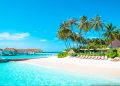
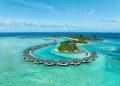
Zanzibar’s shoreline is one of its greatest draws, but the beaches do not all deliver the same experience. That variety is part of the magic. The northern coast offers the classic image most travelers hold in mind before arriving. Nungwi and Kendwa are especially celebrated for their gleaming white sand, luminous blue water and dramatic sunsets. These northern beaches are ideal for travelers who want the sea close at hand all day, since tidal retreat is less disruptive here than on other parts of the island.
Nungwi combines postcard beauty with a livelier mood. Traditional dhow building remains part of local life, and the beach has enough movement to feel animated without losing its beauty. Kendwa, just to the south, feels calmer and more open, with sunsets that turn the coastline golden and make it especially appealing for couples and honeymooners.
On the east coast, the mood shifts. Paje, Matemwe and neighboring stretches of shoreline reveal a more changeable and dramatic coastal landscape shaped by the tide. Here the ocean can retreat dramatically, exposing flats, tidal pools and coral shelves that transform the beach into a different world altogether. Swimming may be limited at certain hours, but the trade-off is a shoreline full of mood, motion and discovery. Paje has become a magnet for kitesurfers and windsurfers, thanks to its winds and shallow, clear water. Matemwe, quieter and more private, is beloved by those who want a more secluded rhythm and easy access to marine excursions, especially to Mnemba Atoll.
There is no single “best” beach in Zanzibar because the island offers different versions of paradise. Some shores are made for long swims and sunset stillness, others for wind, adventure and tidal exploration. Together they form a coastline that never feels repetitive.
Beneath the water, Zanzibar becomes a different universe
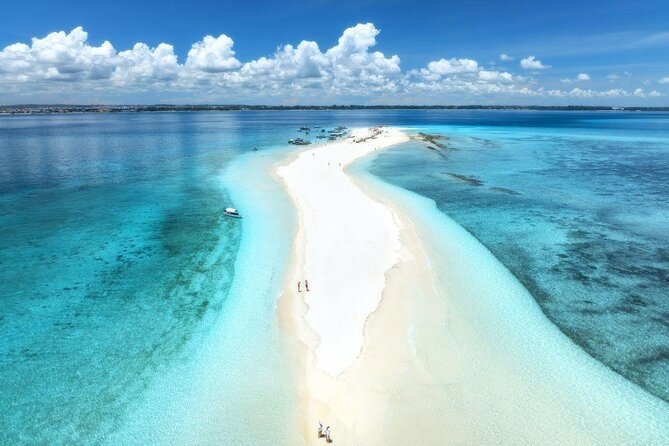
One of the reasons Zanzibar leaves such a strong impression is that its beauty continues below the surface. The archipelago is surrounded by coral reefs, warm water and a marine ecosystem that has made it one of the most rewarding snorkeling and diving destinations in the Indian Ocean.
Mnemba Atoll, off the northeastern coast near Matemwe, stands out as the island’s most celebrated underwater site. Protected as a marine conservation area, it is ringed by vibrant living reefs and home to an extraordinary concentration of marine life. Snorkelers and divers can encounter tropical reef fish in dazzling colors, along with green turtles, octopus, moray eels, angelfish, triggerfish, butterflyfish, parrotfish, sweetlips, lionfish and rare nudibranchs. In migratory seasons, the ocean may even offer thrilling sightings of humpback whales or plankton-feeding whale sharks.
What makes Zanzibar especially appealing is that these marine adventures suit different levels of experience. Some reef zones are shallow, calm and ideal for first-time snorkelers, while deeper sites and shipwreck reefs offer more advanced exploration for seasoned divers. Around the islands, certain wrecks have evolved into living underwater habitats, now covered by corals and inhabited by schools of fish. In places such as Chumbe Marine Park, snorkeling is favored over diving in order to protect the fragile reef systems, reflecting the growing focus on sustainable marine tourism.
For travelers who want a fuller day at sea, excursions such as the famous Safari Blue experience offer a more varied ocean encounter. Sailing on a traditional handcrafted dhow through Menai Bay, snorkeling over coral reefs, exploring sandbanks and mangrove lagoons, and finishing the day with a seafood barbecue gives visitors a compact but vivid taste of everything that makes Zanzibar’s coastline so memorable.
Zanzibar tastes as rich as it looks
If the island’s sea is unforgettable, its flavor is equally distinctive. Zanzibar’s culinary identity is deeply tied to its history as a spice-trading crossroads. Cloves, cinnamon, black pepper, nutmeg, turmeric, ginger, vanilla, lemongrass and cardamom are not simply export products here. They are part of the island’s memory, economy and daily life.
A visit to a spice plantation remains one of Zanzibar’s most essential experiences. Walking through a spice farm is a sensory immersion. The air carries layers of fragrance, guides break open bark and leaves for visitors to smell, and fruits and spices are often tasted right where they grow. It becomes immediately clear why Zanzibar earned its Spice Island reputation and why these crops once carried such global value. Beyond cooking, local communities have long used spices in home remedies, cosmetics, dyes and traditional rituals. The tours reveal not only how these products are cultivated, but how deeply they are woven into island culture.
In Stone Town, the culinary story continues after sunset at Forodhani. As the evening sets in, charcoal braziers flare to life, skewers are arranged, seafood is grilled and the waterfront market begins to pulse with energy. This is where Zanzibar’s street food spirit is most visible. Visitors can sample grilled fish, seafood, samosas, fried potato bites, hot breads and a long list of local favorites. Zanzibar pizza, with its crisp exterior and rich filling, is among the most talked-about specialties. Urojo soup, mishkaki, mandazi and vitumbua add even more depth to an already varied food scene.
Cooking classes offer another route into the island’s identity. Learning how to prepare traditional Swahili dishes turns the meal into something more than a tasting experience. It becomes a way to understand local methods, ingredients and hospitality. For many travelers, these classes end up being among the most personal and memorable moments of the entire trip.
Jozani Forest reveals Zanzibar’s wild interior
For all its fame as a beach destination, Zanzibar also rewards those who turn inland. In the center of the main island lies Jozani Forest Reserve, a protected natural area that brings a completely different dimension to the travel experience. Covering around 50 square kilometers, it forms part of the Jozani Chwaka Bay National Park and shelters some of the archipelago’s most important wildlife.
The reserve is best known as the stronghold of the rare and endangered Kirk’s red colobus monkey, a species found only in Zanzibar. Once pushed dangerously close to extinction, these striking primates are slowly recovering, and the forest now supports an important population. Seeing them move through the canopy or forage at the edge of the trail is one of the island’s most special wildlife encounters. Their relative calm around people makes observation easier, though the experience remains genuinely wild.
Jozani is not just about one species. The forest also shelters Sykes’ monkeys, bush babies, chameleons, lizards, frogs, birds and shy small antelope. Mangrove ecosystems along the eastern boundaries near Uzi and Chwaka Bay support turtles, crabs, mollusks and other marine life, making the reserve one of the island’s most ecologically diverse landscapes. It is the kind of place that shifts the mood of a Zanzibar holiday. One morning you may be drifting over a reef in clear blue water, the next you are walking through a humid green world filled with birdsong and rustling leaves.
Nearby, community-led conservation initiatives such as the Zanzibar Butterfly Centre further expand the island’s eco-tourism appeal. These projects tie tourism to local livelihoods and environmental protection, giving visitors a more grounded view of how nature and community can support each other.
Dolphins, turtles and small islands add another layer of wonder
Zanzibar’s surrounding waters offer more than coral reefs. On the south coast, Kizimkazi is known as one of the island’s best places for dolphin encounters. Boat trips from the village often set out in search of bottlenose and humpback dolphins, and when conditions align, seeing them move through the clear water becomes one of those moments travelers talk about long after they return home. Responsible viewing matters here, and travelers are encouraged to follow guidelines that protect the animals and their habitat.
Elsewhere on the island, marine conservation takes visible form at Mnarani Natural Aquarium, where injured green and hawksbill turtles are cared for and hatchlings are protected. Stone Town’s nearby Prison Island offers yet another wildlife highlight with its Aldabra giant tortoises, descendants of animals once gifted from the Seychelles and now an unusual part of Zanzibar’s visitor experience.
Then there are the smaller islands scattered around the archipelago. Mnemba, Chumbe, Chapwani, Pemba and Mafia each expand Zanzibar beyond the main island’s borders. Some are marine sanctuaries, some are eco-hideaways, and others are ideal for travelers craving greater seclusion. Together they give the archipelago a deeper sense of scale and possibility.
From sunset dhows to festivals, Zanzibar knows how to linger
Few places stage an evening as gracefully as Zanzibar. One of the island’s simplest but most memorable rituals is a sunset dhow cruise. Sailing on one of these traditional wooden vessels as the sky shifts through orange, red and violet brings together the island’s maritime history and natural beauty in a single experience. The dhow is not a decorative prop here. It is part of the archipelago’s working heritage, a vessel shaped by trade, wind and centuries of movement across the Indian Ocean. Watching the coastline fade in twilight from its deck is one of the clearest ways to feel Zanzibar’s atmosphere.
The island also carries a lively calendar of festivals that reveal its creative and communal energy. Sauti za Busara stands out as one of the region’s most powerful music festivals, gathering performers and audiences from across the continent. ZIFF, held around June and July, is the archipelago’s largest cultural event and brings cinema, music and the performing arts into dialogue. Jahazi and Mwaka Kogwa add still more layers, turning Zanzibar into a place that can feel festive, expressive and deeply rooted all at once.
It can be indulgent, adventurous, romantic or surprisingly affordable
One of Zanzibar’s greatest strengths is that it speaks to very different kinds of travelers. It can be a barefoot luxury retreat with private plunge pools, ocean-view villas, attentive service and long afternoons of complete stillness. Resorts and boutique lodges such as Mnemba Island Lodge, Baraza Resort & Spa, Matemwe Retreat, The Palms, Kilindi and The Residence have helped define Zanzibar as one of East Africa’s most alluring upscale island destinations.
At the same time, the archipelago is not reserved only for the high-end traveler. Zanzibar can also be remarkably approachable. Street food is affordable, local transport exists for budget-conscious visitors, and accommodation ranges from exclusive private-island seclusion to beach bungalows and family-friendly stays. That flexibility is part of what keeps Zanzibar so appealing. It can hold a honeymoon, a solo escape, a family holiday, an active adventure or a post-safari decompression trip without ever feeling as if it belongs to only one type of traveler.
Adventure lovers will also find plenty to fill their days. Deep-sea fishing, sailing, kayaking, scuba diving, snorkeling, wakeboarding, parasailing, flyboarding, waterskiing and island-hopping all have their place here. On land, there is quad biking, cycling, horseback riding on the beach and even yoga sessions set against the island’s most scenic backdrops. At Paje’s Seaweed Center, travelers can also see how sustainable local work led by women has become part of Zanzibar’s modern identity.
Zanzibar works beautifully as a safari finale
Another reason Zanzibar continues to rise on travelers’ wish lists is how seamlessly it fits into a broader East African journey. The archipelago pairs naturally with safaris in mainland Tanzania and Kenya. After the dust, movement and intensity of game drives in the Serengeti or the Maasai Mara, Zanzibar offers release. It gives travelers the chance to slow down, rest by the ocean and process the scale of what they have just seen.
This combination works especially well because the island’s most favorable beach season overlaps neatly with one of East Africa’s prime safari periods. From June to October, Zanzibar offers bright days, inviting temperatures and a coastal climate that complements the safari calendar. That makes it one of the most satisfying beach-and-bush combinations on the continent.
The island is also relatively straightforward to reach. Travelers can arrive by direct flights from hubs such as Nairobi and Johannesburg, or connect through cities including Doha, Muscat, Addis Ababa, Kilimanjaro and Dar es Salaam. Zanzibar can also be reached from Dar es Salaam by a short flight or by ferry, which adds to its appeal as a practical extension to a mainland trip.
Why Zanzibar stays with you
There are places that impress, and there are places that settle into you. Zanzibar belongs to the second kind. It lingers because it offers more than scenes. It offers atmosphere. It gives travelers long white beaches and warm Indian Ocean light, but also old stone streets where history hangs in the air. It gives fragrant spice farms, richly mixed cuisine, marine life that turns the sea into a living mosaic, forest trails alive with rare primates, and an island rhythm that feels both gentle and deeply rooted.
That is why Zanzibar resists being reduced to one simple idea. It is not only a honeymoon island, not only a diving destination, not only a cultural stop and not only a beach holiday. It is all of these at once, bound together by a strong sense of place. You can arrive for the turquoise water and leave remembering carved doors, clove-scented air, reef fish flashing beneath the surface, the sound of evening markets, and the feeling that this archipelago offered something much larger than rest.


 subscribers.